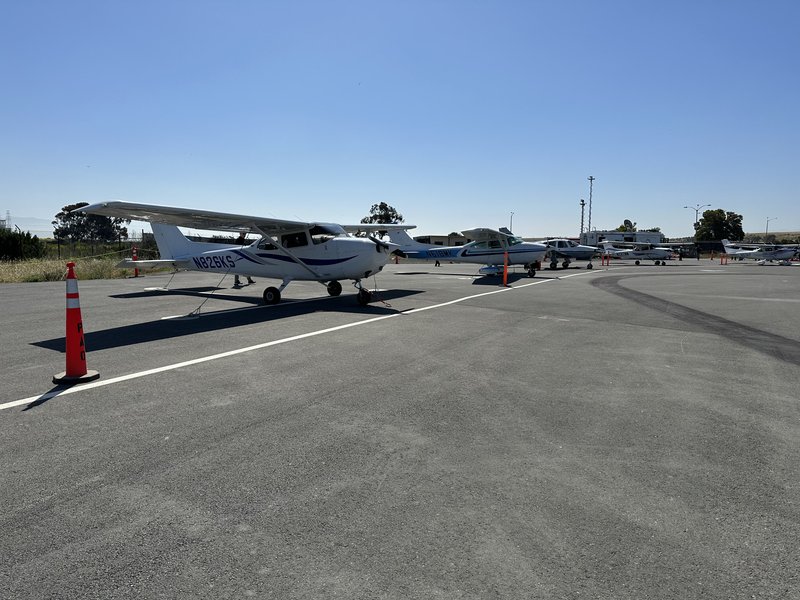
Annual Exercise - May 13, 2023
May 13, 2023
On May 13, 2023, Palo Alto DART conducted an annual exercise with several other DARTs coordinated at the state level.
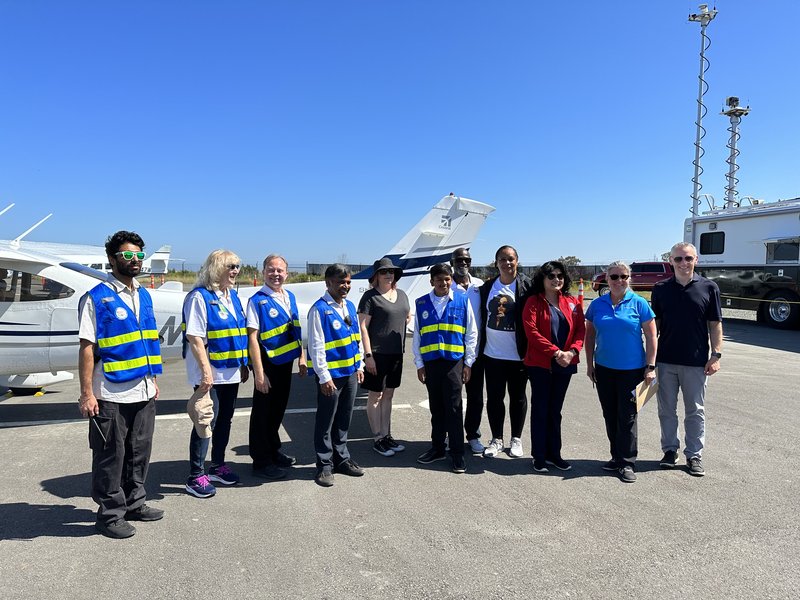
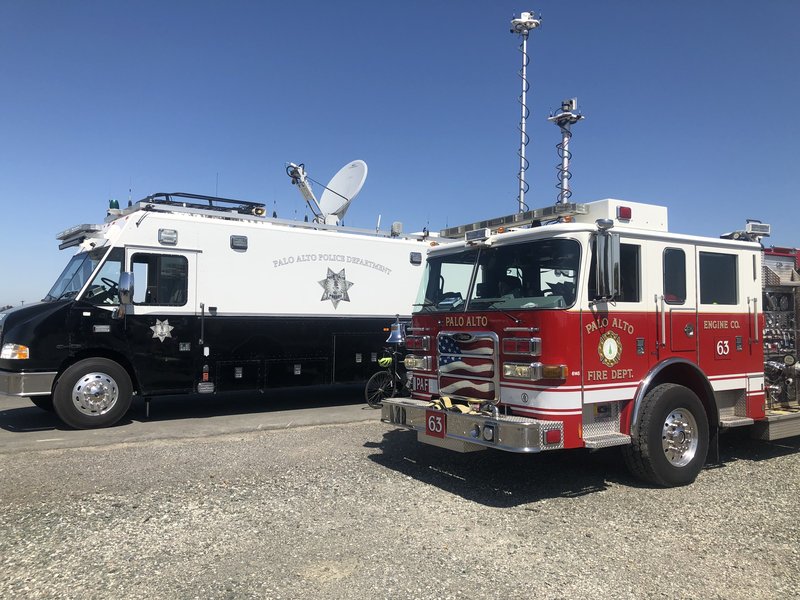
On May 13, 2023, the Palo Alto Disaster Airlift Response Team (DART) took part in the CalDART annual exercise at Palo Alto Airport (PAO) with strong community participation on site. The team hosted Palo Alto Office of Emergency Services (OES), Police, and Fire, along with Urban Eagles, the Palo Alto Airport Association, and Palo Alto ARES. In total, around 33 people were present, creating an opportunity to build relationships and show how the airport and volunteer pilots can support emergency response.
A highlight of the day was a 90-minute survey flight for the mayors of Palo Alto and East Palo Alto. The flight supported the exercise goal of engaging city organizations and community members, and it gave local leadership a direct view of DART’s mission and capabilities. After the event, East Palo Alto Mayor Lydia Kou wrote, “I truly enjoyed the flight and learning about the Civil Air Patrol and DART's work,” and she thanked pilot Louise Mateos for “your explanations, the smooth flight, take off and landing.”
The day also showed the flexibility DART can provide when needs change quickly. The day before the exercise, Contra Costa County DART made an urgent request for pilots to fly into CCR. Palo Alto DART accommodated the request by adding CCR as a stop to two outgoing missions, one local and one coordinated through CalDART. The exercise also included a surprise incoming mission from RHV delivering donuts, which required coordination between the RHV and PAO DART incident commanders.
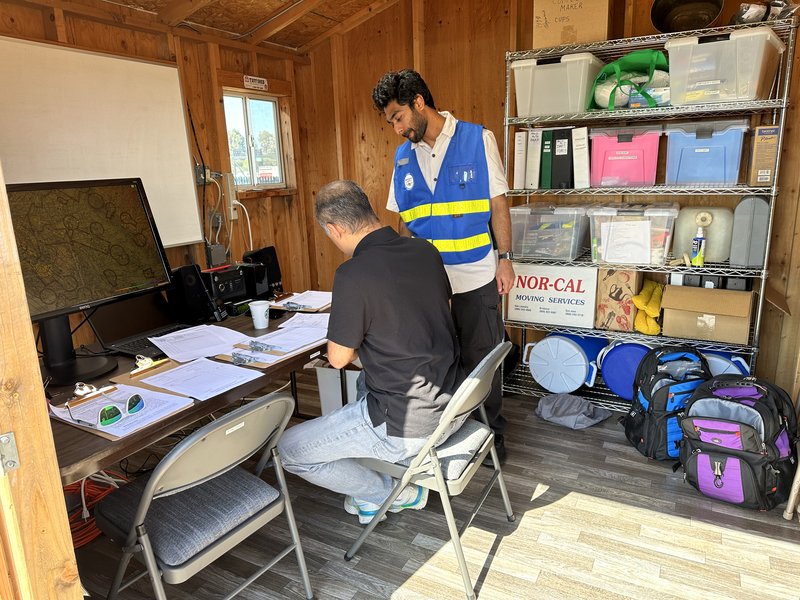
Operationally, Palo Alto DART fielded three ground volunteers and five outgoing mission pilots. Robert French served as Incident Commander, Shri Kumar handled radio and satellite communications, and Vamsi Komaragiri served as Ramp Operations Manager and Flight Operations Manager. Mission pilots were Louise Mateos, Laura del Favero and Pat Gregory flying together, Neeraj Pendse, and Brian Blatnik. The day also included a young observer, with a parent present, who joined to watch and learn from the communications work.
Together, the team launched three cargo flights and one passenger flight, delivering cargo to five other airports across a total of eight stops that included lunch and fuel. Palo Alto DART also accepted two incoming cargo deliveries. Missions included a combination of CalDART-organized flights and locally coordinated flights, supporting the exercise’s purpose of testing readiness to provide flight missions during an actual disaster.
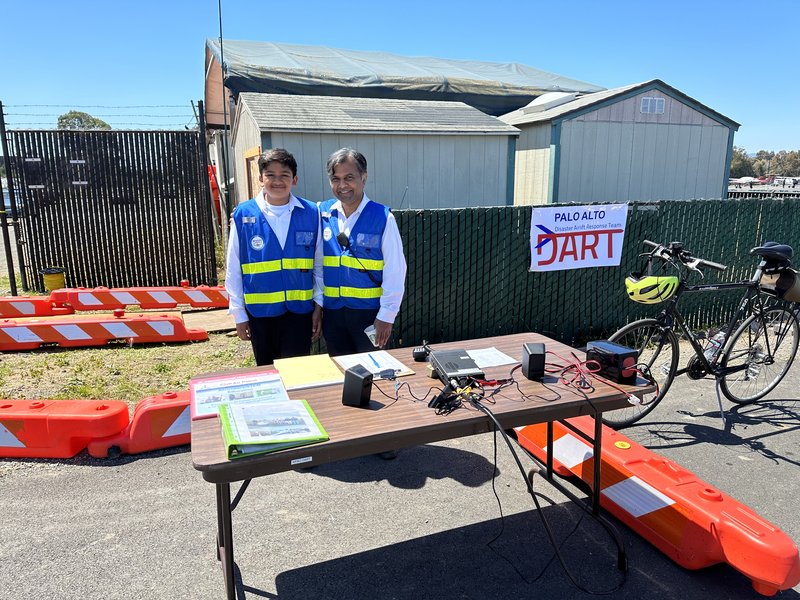
The drill also showcased the practical systems used to keep operations moving. DART operated an amateur radio station with a dual-band radio and an antenna on a 30-foot mast to communicate with CalDART, other airports, and ground volunteers. Volunteers used multiple radios to monitor ground, tower, and UNICOM, and used a laptop and monitor with a cellular hotspot to track aircraft through ADS-B. Reflecting on the day, Neeraj Pendse wrote, “Wonderful event! I learned a lot,” adding that “managing a mission is a bit different than just flying with family for a trip or a dinner,” and Vamsi Komaragiri shared, “It was my first time volunteering and I think the drill went well on an overall scale.”
Palo Alto Airport Manager Andy Swanson summed up why this kind of work matters, writing afterward, “Great job yesterday on leading your team,” and adding that he wanted a summary of “what took place yesterday ie number of missions, to share with our city management in order to illustrate the importance of your exercise.”